Landscape Gardening in Chingford: Creating Outdoor Spaces That Thrive
Why Landscape Gardening in Chingford Matters

Landscape gardening in Chingford is about far more than simply making a garden look attractive. In a place where homes range from period properties to modern family houses, outdoor spaces need to be practical, personal, and suited to the local environment. A well-planned garden can improve day-to-day living, add value to a home, and create a place where family and friends naturally want to gather.
Chingford has its own character, shaped by the edge of Epping Forest, changing seasons, and a mix of urban and suburban settings. That means landscape gardening in Chingford often needs to balance style, durability, and smart planting choices. From compact front gardens to larger back gardens, every space has potential when it is designed with care.
For many homeowners, the appeal lies in creating a garden that feels calm and usable all year round. Whether the goal is a low-maintenance retreat, a child-friendly lawn, or a stylish entertaining area, landscape gardening in Chingford can transform an ordinary plot into a space with real character.
Understanding the Local Setting

Before starting any landscape gardening project in Chingford, it helps to understand the local conditions. The area experiences typical London weather, with wet winters, warm summers, and occasional dry spells. These changes influence everything from soil preparation to plant selection. Gardens in Chingford may also face partial shade from mature trees, wind exposure in open plots, or drainage challenges in heavier soils.
Many successful projects begin with a simple observation of the space. Where does the sun fall in the morning and evening? Which parts of the garden stay damp after rain? Are there areas that feel hidden or underused? These questions matter because landscape gardening in Chingford works best when design decisions respond to real conditions rather than assumptions.
Local character also plays a role. Some gardens benefit from structured planting and formal layouts, while others suit a softer, naturalistic style inspired by woodland edges and mixed borders. By paying attention to surroundings, a garden can feel like a natural extension of the home rather than an isolated outdoor space.
Planning a Garden That Works for Your Lifestyle
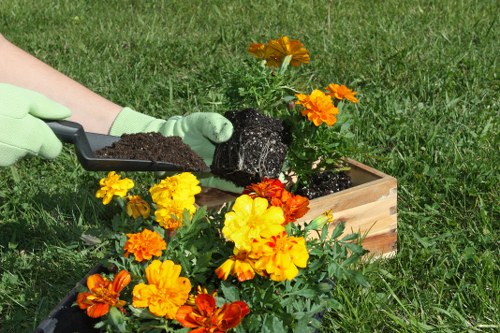
Good landscape gardening in Chingford begins with lifestyle planning. A garden should reflect how you live, not just how you want it to look on paper. If you enjoy dining outdoors, you may need a patio or deck close to the house. If children use the garden regularly, lawn space and durable surfaces may be priorities. For those who prefer quiet relaxation, layered planting, seating corners, and privacy screening may matter more.
It is useful to divide the garden into zones. For example, one area may be dedicated to entertaining, another to planting, and another to practical storage or composting. This approach helps make even smaller spaces feel organised and spacious. It also ensures that every part of the garden has a clear purpose, which is especially valuable in landscape gardening in Chingford where plots can vary greatly in shape and size.
When planning, think about movement as well as appearance. Paths should feel natural and easy to follow. Doorways, steps, and transitions between lawn and paving need to be safe and visually balanced. A well-considered layout improves both function and beauty, creating a garden that is easy to enjoy every day.
Design Features That Make a Difference

There are many design elements that can elevate landscape gardening in Chingford. Hard landscaping features such as patios, retaining walls, fencing, pathways, and raised beds provide structure, while soft landscaping brings warmth and softness through plants, shrubs, and grass. The best gardens usually combine both in a way that feels seamless.
One of the most effective features is a well-positioned patio. A patio can create a usable outdoor room, especially when placed near the kitchen or living area. Materials such as natural stone, porcelain, and brick each bring a different mood. Natural stone often suits traditional homes, while sleek porcelain works well in contemporary settings. Brick edging can add charm and help integrate the garden with older properties.
Lighting is another smart addition. Subtle garden lighting can extend the use of the space into the evening and highlight key features such as trees, pathways, or textured walls. In landscape gardening in Chingford, lighting can be both practical and atmospheric, especially during darker winter months when outdoor spaces can otherwise feel unused.
Planting Choices for Chingford Gardens
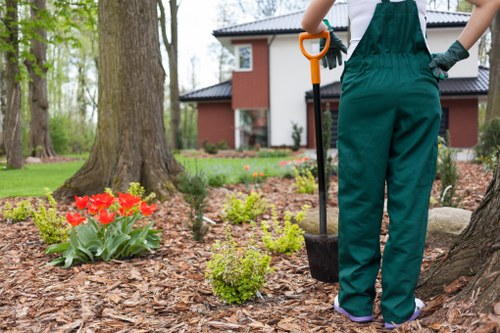
Planting is at the heart of landscape gardening in Chingford. The right plants can soften edges, provide colour through the seasons, and support local wildlife. Because conditions vary from site to site, plant selection should be tailored to sunlight, soil type, and maintenance preference.
For sunny gardens, many homeowners choose lavender, salvia, ornamental grasses, catmint, and rosemary. These plants offer structure, scent, and long flowering periods. In shadier parts of the garden, ferns, hostas, hellebores, hydrangeas, and woodland-style groundcover can flourish. Choosing plants that naturally suit the conditions reduces watering demands and makes upkeep easier.
Seasonal interest is also important. A garden should not look good only in June. By mixing spring bulbs, summer perennials, autumn foliage, and winter-evergreen structure, landscape gardening in Chingford can create appeal throughout the year. This is particularly helpful for front gardens and visible side areas, where year-round presentation matters.
Low-Maintenance Planting Ideas
Not every garden owner wants to spend weekends pruning, mowing, and deadheading. That is why low-maintenance landscape gardening in Chingford has become increasingly popular. The key is to choose plants that are attractive but not demanding, and to use design techniques that reduce ongoing effort.
- Use mulch to suppress weeds and retain moisture.
- Choose hardy shrubs such as box alternatives, choisya, and viburnum.
- Include evergreen plants for year-round structure.
- Limit high-maintenance bedding in favour of perennials.
- Install irrigation where appropriate for more efficient watering.
Gravel planting schemes, raised borders, and mixed shrub beds can all reduce the need for constant upkeep. These options are especially useful in landscape gardening in Chingford for busy households, older homeowners, or anyone seeking a neat garden with minimal intervention.
It is also worth considering lawn alternatives in some areas. While grass remains popular, stepped planting pockets, paving, and groundcover can reduce mowing and create a more interesting visual flow. This approach often works well in smaller urban gardens where space is limited.
Creating Privacy and Structure
Privacy is a major concern in many residential gardens. Landscape gardening in Chingford often includes solutions that create seclusion without making the space feel closed in. Screening can be achieved through fencing, trellises, evergreen hedging, pergolas, and carefully placed planting.
Tall hedges such as laurel, yew, or hornbeam can define boundaries while maintaining a natural appearance. For a softer look, layered planting with grasses, shrubs, and climbers can create depth and reduce overlooked views. Timber fencing may also be enhanced with climbing plants like jasmine, honeysuckle, or clematis to soften hard lines.
Structure matters just as much as privacy. A garden feels more complete when it has a clear framework. This framework may include paths, raised beds, retaining walls, or feature trees. In landscape gardening in Chingford, structure helps a garden remain attractive even when flowers are not in bloom.
Hard Landscaping and Outdoor Functionality
Hard landscaping forms the backbone of many successful garden projects. It includes the permanent or semi-permanent elements that shape how the garden is used. In landscape gardening in Chingford, this might involve patios, driveways, steps, edging, retaining walls, and decking. These features should be built to last and designed to suit both the property and the way the space will be used.
Drainage is especially important. Poorly planned hard surfaces can lead to puddling, slippery areas, or water movement toward the house. A professional approach to landscape gardening in Chingford should always account for levels, runoff, and surface materials. Permeable paving and proper sub-base preparation can make a significant difference over time.
Functionality should never come at the expense of style. Well-chosen materials can tie the whole garden together. For instance, warm-toned paving can soften a modern space, while traditional brickwork can complement period homes. The best hard landscaping feels integrated rather than added on.
How to Make a Small Garden Feel Bigger
Many homes in the area have modest outdoor spaces, but a small garden does not have to feel restrictive. Landscape gardening in Chingford often uses clever design techniques to maximise space and create the impression of openness. The right layout can make a compact garden feel calm, functional, and surprisingly generous.
Simple strategies include using diagonal or curved lines, selecting lighter-coloured paving, and keeping sightlines open. Mirrors, reflective water features, and layered planting can also create depth. Vertical elements such as wall trellises, climbing plants, and slim trees draw the eye upward and make the garden feel larger than it is.
Clutter control is essential. Storage boxes, discreet bins, and integrated seating can help a small space feel intentional. In landscape gardening in Chingford, a clutter-free design is often the difference between a garden that feels cramped and one that feels welcoming.
Seasonal Care and Garden Maintenance
Every garden needs some care to stay healthy and appealing. Even low-maintenance landscape gardening in Chingford benefits from seasonal attention. Spring is the time to tidy borders, feed soil, and check for winter damage. Summer often focuses on watering, trimming, and deadheading. Autumn is ideal for clearing leaves and preparing beds for colder weather, while winter is a good time for pruning certain shrubs and planning future changes.
Maintenance plans should reflect the design itself. For example, a heavily planted garden may need more pruning, while a paved courtyard may only require regular cleaning and occasional re-sanding. Lawns need mowing, feeding, and aeration; borders need mulching and occasional division. A realistic routine keeps the garden looking good without becoming a burden.
Many homeowners find that landscape gardening in Chingford becomes much easier when the original design takes maintenance into account. Choosing robust plants, durable materials, and simple layouts can save time and money over the long term.
Wildlife-Friendly Landscape Gardening
A growing number of people want gardens that do more than look attractive. Wildlife-friendly landscape gardening in Chingford can support birds, bees, butterflies, and beneficial insects while still feeling neat and stylish. This is not about making a garden wild and unmanaged. Instead, it is about designing with nature in mind.
Native and nectar-rich plants can provide food for pollinators across multiple seasons. Shrubs with berries offer interest for birds, while dense planting and hedges create shelter. Water bowls, insect hotels, and log piles can also increase biodiversity without taking up much space. Even small gardens can make a positive ecological contribution.
For many homeowners, this approach adds another layer of satisfaction. A garden that supports wildlife feels alive and dynamic. In landscape gardening in Chingford, it is entirely possible to create a refined outdoor space that also works as a habitat.
Front Garden Improvements
Front gardens play an important role in first impressions, and they often need to balance aesthetics with practical concerns. Landscape gardening in Chingford for front spaces may involve new planting, boundary treatments, driveway design, lighting, and improved access routes.
Because front gardens are highly visible, neatness matters. Low hedging, structured planting, and tidy paving can make a property look cared for and welcoming. Replacing tired gravel, cracked paving, or overgrown borders can quickly refresh the whole frontage.
In many cases, a front garden can also improve security and privacy. Thoughtful screening, well-lit paths, and clear entrances make the home feel safer and more inviting. This is one reason why landscape gardening in Chingford is often seen as a valuable investment rather than a cosmetic upgrade.
Choosing the Right Style for Your Property
Every home has its own personality, and the garden should reflect that. A traditional house may suit classic materials, curved borders, and layered planting. A modern property may look best with clean lines, architectural plants, and minimal detailing. Landscape gardening in Chingford works particularly well when the style of the garden echoes the style of the home.
Some homeowners prefer a naturalistic garden inspired by woodland and meadow planting. Others want a more formal look with clipped hedges and symmetrical beds. There is no single correct approach. The best results come from matching taste, practical needs, and local conditions.
Consistency is the key. Materials, colours, and planting should all work together. When every part of the garden feels connected, the whole space becomes more satisfying and easier to maintain. Landscape gardening in Chingford should create that sense of unity from the front gate to the far corner of the plot.
Budgeting for Garden Transformation
Budget is an important part of any landscaping project. Costs can vary depending on the size of the garden, the materials chosen, and the amount of preparation required. In landscape gardening in Chingford, a realistic budget should cover design, groundworks, materials, planting, and any finishing touches such as lighting or irrigation.
Prioritising the most impactful features first can be a smart approach. For example, if the garden needs better drainage or safer access, those issues should come before decorative extras. Likewise, investing in quality paving or well-prepared soil often pays off over time because it reduces the need for repair and replacement.
It is also helpful to phase a project if needed. A garden can be improved in stages, allowing homeowners to spread the cost while still moving toward a finished result. This flexibility makes landscape gardening in Chingford accessible to a wider range of budgets.
Common Mistakes to Avoid
Even a beautiful garden can fail to perform well if it is poorly planned. One of the most common mistakes in landscape gardening in Chingford is choosing plants without considering the site. A sun-loving plant placed in deep shade will struggle, and a moisture-loving plant in dry soil will not thrive.
Another issue is overfilling the space. Too many features can make a garden feel busy and difficult to use. It is usually better to have a few well-chosen elements than a clutter of competing ideas. The same applies to planting: variety is good, but restraint creates balance.
Ignoring maintenance is another problem. A garden should suit the time available for care. By being honest about how much effort can be realistically given, homeowners can ensure that landscape gardening in Chingford remains enjoyable rather than stressful.
Why Professional Planning Makes a Difference
Although some people enjoy tackling garden projects themselves, professional planning often leads to better long-term results. A skilled approach to landscape gardening in Chingford takes into account site levels, drainage, materials, planting structure, and future maintenance. These details may not be obvious at the start, but they strongly affect how the garden performs later.
Professional planning can also help avoid expensive mistakes. For example, a patio laid without proper preparation may sink or crack. Plants installed in the wrong place may struggle and need replacing. Well-informed design reduces these risks and creates a garden that remains attractive for years.
If you are thinking about upgrading your outdoor space, now is a great time to contact us today and explore your options. Whether you want a complete redesign or selective improvements, landscape gardening in Chingford can be tailored to suit your property and lifestyle. Book your service now and take the first step toward a garden that feels both beautiful and practical.
Bringing It All Together
At its best, landscape gardening in Chingford combines creativity, practicality, and local understanding. It is about making outdoor areas usable, attractive, and suited to the way people live. From planting and paving to privacy and wildlife, every decision contributes to the final result.
Whether you have a small courtyard, a family garden, or a larger plot that needs a fresh direction, thoughtful landscaping can completely change how the space feels. The right mix of structure, planting, and hard landscaping creates a garden that evolves beautifully through the seasons and remains easy to enjoy.
Landscape gardening in Chingford offers endless opportunities to improve homes and enrich daily life. With the right approach, your garden can become one of the most valuable and enjoyable parts of your property.

